Introduction
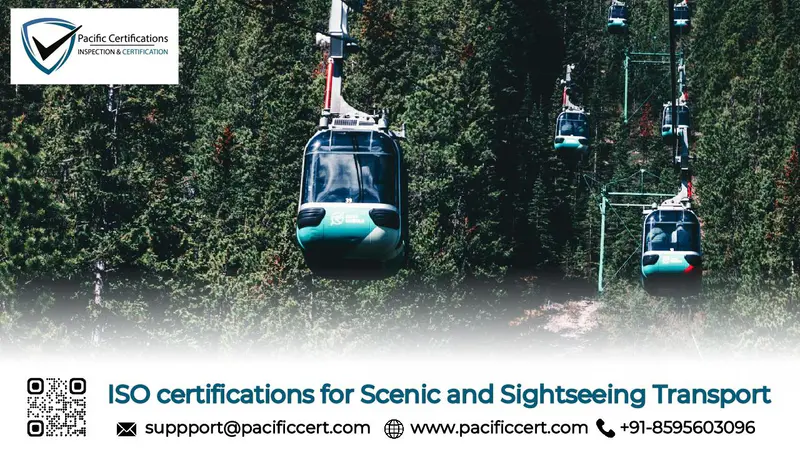
Scenic and sightseeing transport services operate within the vibrant tourism ecosystem where unique vehicles—such as open-top buses, heritage trains, passenger ferries, cable cars, and specialized coaches—deliver immersive experiences across diverse landscapes. Core activities include managing seasonal passenger flows, providing multilingual commentary systems, ensuring accessibility for all visitors, coordinating precise timing for attraction access, and maintaining vehicles in pristine condition for photographic appeal. Services face distinct challenges: balancing authentic experiences with rigorous safety protocols in variable weather conditions, managing passenger behavior at scenic stops, protecting heritage vehicles from environmental wear, navigating complex permitting across jurisdictional boundaries, and adapting to shifting traveler expectations for sustainability and cultural sensitivity—all while under constant scrutiny from tourism authorities focused on visitor safety and experience quality.
ISO certifications provide essential structure to address these pressures by establishing internationally recognized benchmarks that transcend fragmented local tourism regulations. Rather than relying on ad-hoc safety checks or seasonal training, these standards create proactive systems for quality control, environmental stewardship, passenger safety, and information security—critical for building trust with travelers, destination managers, and travel partners. They transform experiential variables into measurable processes that directly support consistent service excellence, demonstrable risk reduction, and verifiable compliance with global sustainable tourism frameworks, which is indispensable in an industry where reputation for safe, memorable journeys directly influences visitor satisfaction, repeat business, and destination competitiveness.
In scenic transport, every breathtaking view depends on flawless execution—where ISO certification transforms wonder into verified trust
Quick Summary
ISO certifications provide scenic and sightseeing transport operators with internationally recognized frameworks to manage service quality through ISO 9001, passenger safety through ISO 21101 (Adventure Tourism Safety), environmental impact through ISO 14001, occupational health and safety for staff through ISO 45001, information security for booking and passenger systems through ISO/IEC 27001, business continuity through ISO 22301, and energy efficiency through ISO 50001.
For more information on how we can assist your scenic and sightseeing transport business with ISO certifications, contact us at support@pacificcert.com.
Applicable ISO Standards for Scenic and Sightseeing Transport Businesses
Below are the most relevant ISO standards applicable to sightseeing bus operators, scenic railway companies, passenger ferry services, aerial tramway providers, and specialized tour transport specialists:
ISO 9001: Quality Management Systems
As the foundational management system standard, ISO 9001 ensures scenic and sightseeing services consistently meet traveler expectations for informative, comfortable, and reliable experiences—directly impacting satisfaction scores and online reviews in the experience-driven tourism market. It applies to critical processes including guide recruitment and ongoing training programs, vehicle presentation and cleaning schedules, commentary system accuracy and multilingual availability, luggage handling procedures, and accessibility compliance for passengers with diverse needs.
ISO 21101:2014 – Adventure Tourism Safety Management Systems
This standard is paramount for scenic and sightseeing operators as it provides the first globally recognized framework specifically tailored to adventure and specialty tourism activities—a critical fit for unique transport experiences like glacier trains, jungle river cruises, or desert safari coaches. It addresses processes like activity-specific risk assessment, participant suitability checks, guide competency validation, equipment suitability verification, and emergency response planning for remote or challenging environments.
ISO 14001: Environmental Management Systems
Scenic transport frequently operates in environmentally sensitive areas—national parks, coastal zones, or heritage sites—where minimizing ecological impact is both ethical and often legally required; this standard helps operators manage these aspects systematically through measurable objectives and operational controls. It covers aspects like emission reduction strategies for tour vehicles, noise abatement practices in quiet zones, proper disposal and recycling of waste from onboard services, and integration of low-emission or electric vehicles into fleet renewal programs for silent operation in nature reserves.
ISO 45001: Occupational Health and Safety Management Systems
The safety of staff navigating diverse terrains while managing passenger interactions represents a daily operational priority; this standard provides a proactive system to prevent work-related injuries and illnesses unique to tourism transport professions. It addresses hazard identification for vehicle operation risks in challenging topography, ergonomic strain from assisting passengers with boarding/alighting, fatigue management through scheduling controls for split-shift operations, personal security concerns for guides handling difficult passenger situations, and workshop safety for maintenance personnel servicing specialized vehicles.
ISO 27001: Information Security Management Systems
In today's digital era, even transport services need to prioritize data security, especially when handling bookings, payments and customer information. ISO 27001 ensures that companies protect sensitive data from breaches, cyber-attacks, and unauthorized access.
Click here to find out more applicable standards to your industry
What are the Requirements of ISO Certifications for Scenic and Sightseeing Businesses?
Scenic and sightseeing transport operators seeking ISO certification must establish and maintain documented policies, procedures, and records aligned with the selected ISO standards. Key requirements include the following:
ISO 21101:2014 – Adventure Tourism Safety Management Systems
Establish an adventure safety policy committing to reducing risks linked to specialized transport activities.
Implement participant assessment procedures covering suitability checks, skill validation, and briefing comprehension.
Define operational controls including equipment inspections, guide competency assessments, and environmental monitoring.
Monitor safety metrics such as incident rates per specialized excursion and near-miss reports.
Conduct quarterly safety performance reviews analyzing trends and effectiveness of risk mitigation measures.
Maintain records of guide training completion, equipment maintenance logs, and participant feedback on safety briefings.
ISO 9001:2015 – Quality Management Systems
Document standard operating procedures for tour commentary delivery, vehicle preparation, and passenger assistance.
Control calibration of audio guide systems, GPS tracking devices, and passenger information displays.
Implement passenger feedback collection mechanisms for experience quality, information accuracy, and accessibility perception.
Monitor key performance indicators such as on-time departure percentage, vehicle availability ratio, and commentary accuracy rates.
Hold monthly management reviews assessing service quality, fleet readiness, and traveler satisfaction trends.
Maintain records of corrective actions for recurring issues such as commentary inaccuracies or vehicle cleanliness complaints.
ISO 14001:2015 – Environmental Management Systems
Establish an environmental policy committing to preventing pollution and minimizing ecological footprint.
Identify environmental aspects including vehicle emissions, noise generation, waste streams, and resource consumption.
Set measurable objectives and targets for reducing emissions, noise levels, and waste generation.
Implement operational controls like idle reduction programs, eco-driving training, and waste segregation protocols.
Monitor environmental performance through fuel consumption tracking, noise measurements, and waste audits.
Conduct annual management reviews assessing environmental performance, audit results, and objective achievement.
ISO 45001:2018 – Occupational Health & Safety Management Systems
Identify transport-specific hazards including vehicle operation risks, passenger assistance strains, and security threats.
Establish staff safety procedures for vehicle breakdowns, passenger medical incidents, and adverse weather operations.
Implement fatigue management through maximum duty hours and mandatory rest period controls based on regulations.
Monitor health and safety metrics such as injury rates and lost-time incidents due to work-related causes.
Conduct bi-annual safety training covering defensive driving, passenger assistance techniques, and personal security protocols.
Document workshop safety procedures and specialized vehicle maintenance equipment inspection records.
Tip:Begin by mapping your current scenic transport workflows—from passenger booking and guide assignment to vehicle preparation, tour execution, passenger assistance, and feedback collection—against ISO clause requirements; engage operations, safety, guide, maintenance, and customer service leads in collaborative workshops to pinpoint where existing practices align with or diverge from standard expectations, using process flow diagrams to visualize integration points before drafting new controlled documents.
Contact us at support@pacificcert.com for more information.
What are the Benefits of ISO Certifications for Scenic and Sightseeing Businesses?
ISO certifications provide scenic and sightseeing transport operators with strong operational and commercial advantages, including: listed below are the key benefits for the ISO standards applicable to sightseeing bus operators, scenic railway companies, passenger ferry services, and aerial tramway providers:
Improved reduction in passenger and staff incidents through systematic risk assessment, guide training, and vehicle maintenance programs.
Stronger protection of revenue streams via secured booking systems minimizing fraud and data breaches.
Better experience continuity during disruptions due to predefined continuity protocols and resource readiness.
Higher traveler satisfaction from reliable vehicle availability, accurate information provision, and courteous service delivery.
Enhanced regulatory compliance demonstrating alignment with international safety, quality, and environmental benchmarks.
Greater access to premium travel partnerships as tour operators prefer ISO-certified transport for lower risk profiles.
Reduced operational costs through optimized fuel consumption, predictive maintenance, and efficient depot energy use.
Streamlined fleet management with clear quality, safety, and environmental expectations for service providers.
Increased resilience against cyberattacks targeting booking platforms, passenger data systems, and operational technology.
Better environmental stewardship quantifying and mitigating fleet emissions, noise pollution, and resource consumption.
The global scenic and sightseeing transport market demonstrates resilient growth, driven by experiential travel preferences, increasing demand for authentic cultural encounters, and rising disposable income in emerging middle classes; industry analyses project compound annual growth of 4-6% over the next decade as travelers prioritize meaningful journeys over mere transportation and destinations invest in unique access experiences to differentiate their offerings. Digital transformation accelerates, with widespread adoption of multilingual audio guide apps, real-time crowd management systems, and sustainable booking platforms, while traveler expectations evolve toward seamless accessibility features, verifiable sustainability claims, and immersive storytelling, factors intensifying operational complexity while creating advantages for providers with verifiable management systems.
Looking ahead, the sector is evolving quickly. The shift toward electric and hydrogen-powered vehicles, growing expectations around accessibility, and stricter data protection requirements are shaping how scenic transport services are delivered. ISO frameworks give operators a practical way to manage these changes, from environmental controls to customer data protection and service quality.
In both established tourism markets and emerging destinations, certification signals reliability and professionalism. It helps attract partnerships with destination management organizations, supports collaboration with international tour operators, and gives travelers confidence that their experience will be safe, well-managed, and environmentally responsible.
How Pacific Certifications Can Help?
Pacific Certifications, accredited by ABIS, acts as an independent certification body for scenic and sightseeing transport businesses by conducting impartial audits against applicable ISO standards. Our role is to objectively assess whether documented management systems and scenic and sightseeing transport-specific practices conform to international ISO requirements, based strictly on verifiable evidence and operational records.
We support scenic and sightseeing transport providers through:
Independent certification audits conducted in accordance with ISO/IEC 17021
Practical assessment of real scenic and sightseeing transport operations, guide safety controls, and vehicle maintenance standards
Clear audit reporting reflecting conformity status and certification decisions
Internationally recognized ISO certification upon successful compliance
Surveillance and recertification audits to maintain certification validity
Contact us
If you need support with ISO certification for your scenic and sightseeing transport business, contact us at support@pacificcert.com or +91-8595603096.
Author: Ashish
Read More at: Blogs by Pacific Certifications

